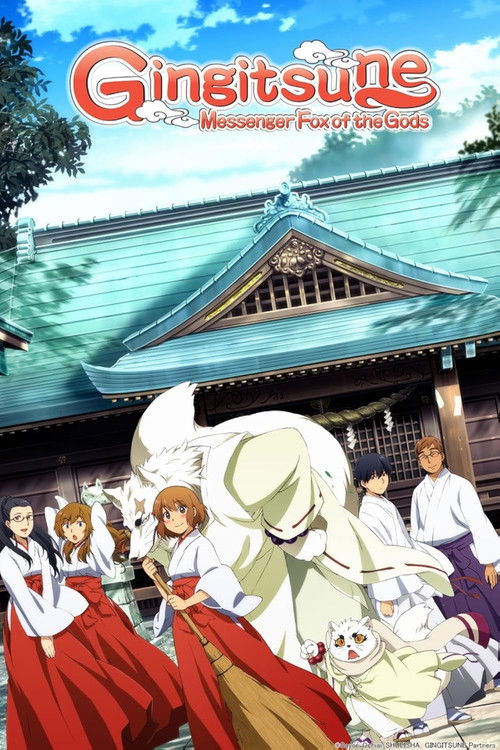
In a world full of intense action series or heart-wrenching dramas, sometimes we need something simple and warm, like sipping hot tea on a quiet morning. Gingitsune: Messenger Fox of the Gods is the answer to that need. This 2013 anime series takes us back to rural Japan, to a small Inari shrine where the fox spirit Gintaro and the young girl Makoto help visitors who come seeking aid. With a gentle focus on the relationship between humans and the supernatural, this series is a rare soul-soothing balm.
Story Summary (No Spoilers)
The story takes place at a small Inari shrine in a rural town. Saeki Makoto is a high school girl who has inherited a special power from her family: the ability to see Gintaro, a fox spirit who has guarded the shrine since the Edo period. Their relationship unfolds in a cute and heartwarming way as Makoto helps people who come to pray or face various problems, with Gintaro offering advice and support. Though they occasionally argue, their strong bond helps them overcome obstacles together. The series focuses on episodic storytelling, but there is an overarching theme about Makoto's responsibility as a mediator between humans and gods.
Performance and Characters
Even though it's an anime, the voice acting plays a crucial role in bringing the characters to life. Hisako Kanemoto voices Makoto with brightness and naturalness, while Shin-ichiro Miki delivers Gintaro's voice with both playfulness and warmth, like a grandfather watching over his grandchild. Supporting characters like Satoru, Makoto's classmate (voiced by Kensho Ono), and Yumi, her close friend (Chinatsu Akasaki), help fill the world with vitality. Every voice performance is excellent, clearly conveying emotions and personalities, making it easy for viewers to feel connected to them.
Direction, Visuals, and Music
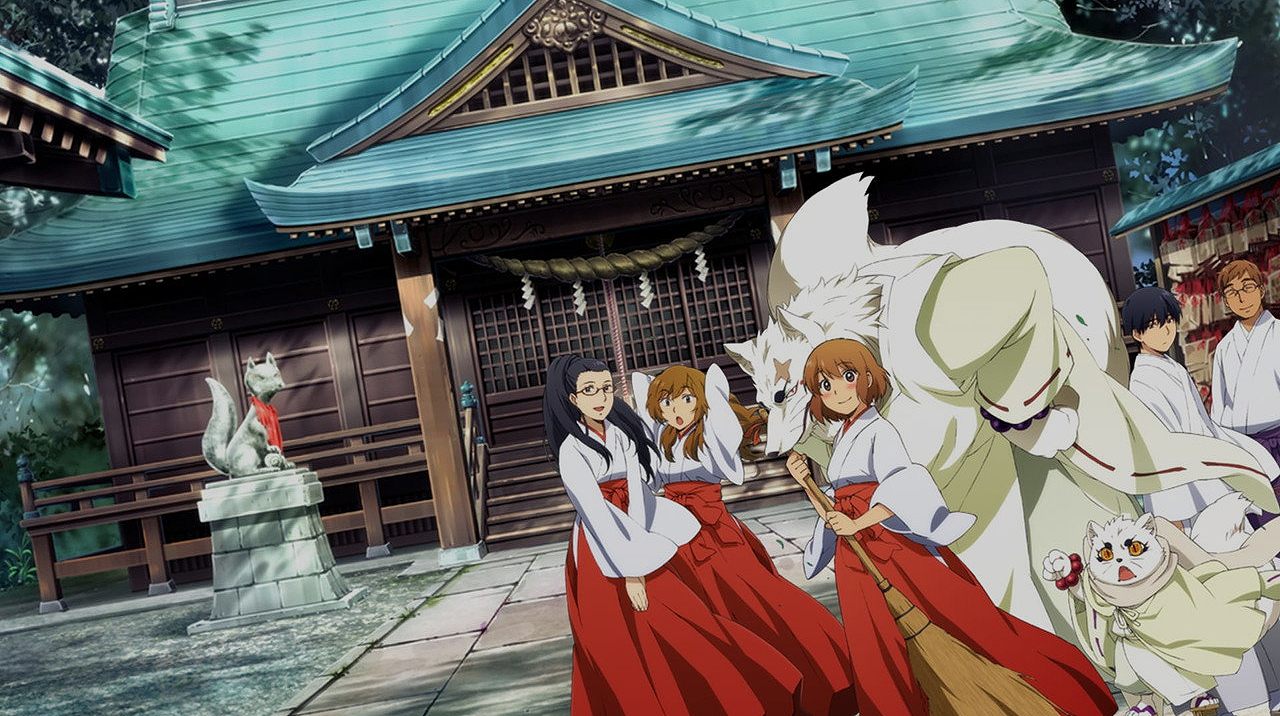
The direction by Sayuri Oba and Studio Diomedéa emphasizes simplicity while hiding beautiful details. The backgrounds of the shrine and surrounding nature are meticulously drawn, evoking a sense of peace and relaxation. The warm color palette enhances the series' atmosphere. The soundtrack by Keigo Hoashi and Ryō Kunihiko features melodies that are beautiful and match the mood of each scene, especially the opening theme "tiny lamp," which feels heartwarming. The series does not rely heavily on special effects or CGI but instead uses still images and gentle movements to tell the story, fitting its focus on simplicity and sincerity.
Editorial Analysis
What makes Gingitsune stand out is not excitement or a complex plot, but its presentation of ideas about 'duty' and 'relationships' between humans and the unseen. Makoto, though just a girl, must bear the burden of being a mediator between gods and humans, reflecting responsibilities we sometimes cannot choose. Meanwhile, Gintaro represents wisdom and unconditional love. The series does not rush into major conflicts but slowly develops the characters' relationships through small everyday events, allowing viewers to absorb its messages gently. Additionally, the series seamlessly incorporates aspects of Shinto and Japanese folk beliefs without being preachy or overly academic, making it easy to understand and engaging.
Verdict
Gingitsune is a series for those seeking something light and heartwarming. Though it lacks flashy twists or major conflicts, the charm of its characters and the serene atmosphere will surely lift your spirits. If you enjoy slice-of-life stories with a touch of spirituality and Japanese culture, this series is a must-watch.
Screenshots

👍 Pros
- +Warm, relaxing atmosphere perfect for unwinding
- +Charming characters with naturally developed relationships
- +Seamlessly integrates thoughtful messages and Japanese culture
👎 Cons
- −Slow pacing with a slice-of-life focus may not suit action lovers
- −Some episodes can feel repetitive and predictable
Top Cast





FAQ
Gingitsune has a total of 12 episodes, each about 24 minutes long.
In Thailand, you can watch Gingitsune on Crunchyroll or other licensed streaming platforms.
Currently, Gingitsune has no sequel or second season; the series concludes fully in 12 episodes.